My Greatest Call Me Mom Embroidery Review
As a designer who spends half my life in the embroidery hoop and the other half worrying about print-on-demand margins, I don’t just look at a design file; I look at how it translates to thread. When I first opened My Greatest Call Me Mom, my immediate reaction wasn’t about the text itself, but about the emotional weight it carries. This isn’t just another generic quote design. It is a layered SVG file that speaks directly to the modern mother’s identity—a blend of professional pride and maternal love. But does it hold up when stitched? Can it survive the rigors of a craft fair or a busy Etsy shop? Let’s break down this digital product from a practical, production-ready perspective.
First Impressions: Mood and Visual Personality
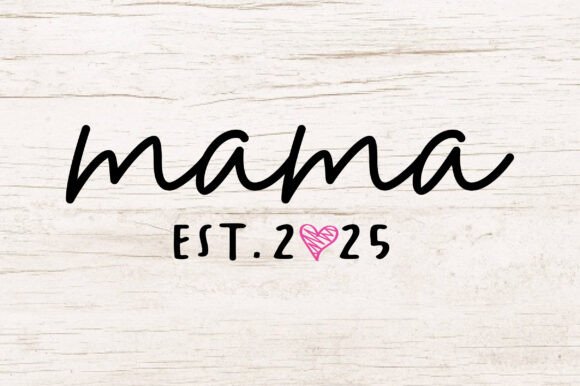
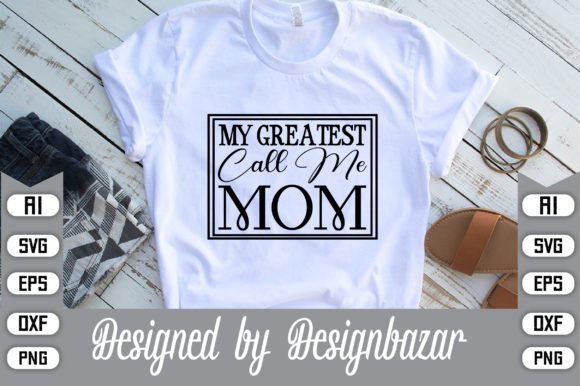
The phrase "My Greatest Call Me Mom" hits on a specific cultural moment. It acknowledges that while many women wear multiple hats, their most cherished title is often motherhood. Visually, the design leverages this duality. From what I can discern in the vector layers, the layout likely balances bold typography with softer, perhaps script-based elements to represent the "Call Me Mom" aspect. This contrast is crucial for embroidery because it dictates stitch type.
In my experience, designs that mix strong block letters with flowing scripts tend to perform beautifully on custom apparel. The mood here is warm, inviting, and slightly nostalgic. It feels less like a corporate slogan and more like a personal declaration. For a handmade product, this emotional resonance is your strongest selling point. Customers aren’t just buying a shirt; they are buying validation of their role. That is a powerful driver for engagement, especially in niches focused on personalized gifts and boutique branding.
Real-World Application: Where This Design Shines
I recently evaluated this design with a specific project in mind: a line of high-end maternity and postpartum apparel. Here is how My Greatest Call Me Mom performs in actual production scenarios.
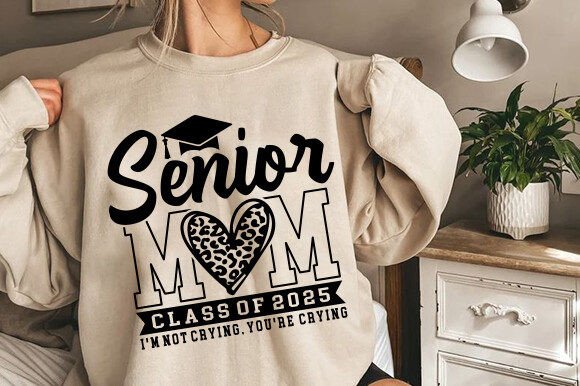
- Sweatshirt Embroidery: This is the sweet spot. Heavy cotton fleece provides the perfect stabilizer base for dense stitch areas. The design’s likely mix of fill stitches for background elements and satin stitches for outlines will pop against heather grey or navy fabrics. It looks expensive and substantial, which increases the perceived value of the finished product.
- Tote Bag Designs: Canvas totes are a staple for craft business items. However, the fabric texture of canvas can sometimes obscure fine details. If this design includes intricate decorative accents, you must ensure the stitch density is high enough to prevent the thread from sinking into the weave. For simpler versions, it works exceptionally well as a chest logo or a large back print.
- Baby Embroidery and Nursery Decor: While the text is adult-centric, the sentiment appeals heavily to new parents. Stitching this onto a baby blanket or a nursery pillow cover creates a beautiful gift item. The key here is scale. On smaller hoops, you need to ensure the lettering remains legible. Tiny lettering can become muddy if the machine tension isn’t perfectly calibrated.
- Aprons and Kitchen Towels: For the homebody niche, this design fits perfectly on a linen apron. The contrast between the soft fabric and the structured embroidery adds a tactile element that customers love. It transforms a utilitarian object into a keepsake.
Technical Considerations and Potential Pitfalls
No design is without its challenges. As an experienced reviewer, I have to point out where My Greatest Call Me Mom might require extra care during digitizing or stitching.
Small Hoop Sizes: If you plan to sell embroidered patches or small accessories, you need to be careful. Complex layering in a small area can lead to puckering. Always test the design in your smallest intended hoop size before mass production. If the design relies on long runs of running stitch, ensure there is adequate underlay to keep the fabric flat.
Fabric Texture and Stretch: Avoid using this design on highly textured fabrics like bouclé or very thin, stretchy synthetics unless you use a heavy-duty tear-away stabilizer. Stretchy fabrics can distort the shape of the text, making "Mom" look slanted or uneven. Similarly, dark fabric requires high-contrast thread colors. If the original design uses low-contrast threads (like beige on brown), it may get lost. Test light and dark fabric backgrounds to ensure readability.
Dense Stitch Areas: Check the stitch density carefully. Too much density in one spot can cause needle breakage or thread snapping, especially on automated machines. If the design has large fill areas, consider trimming them slightly or reducing the density setting in your embroidery software to save time and thread.
Strategic Advice for Sellers and Makers
If you are an Etsy seller or a small shop owner looking to add this to your inventory, here is how to maximize its potential.
- Mockup Matters: Before you even buy the thread, create printable mockups. Show the design on a folded sweatshirt, a hanging tote bag, and a close-up of a patch. Visualizing the end result helps you market the benefits effectively. Use black and white mockups to check contrast and composition without the distraction of color.
- Thread Color Selection: Don’t just stick to the default colors. Offer variations. A gold thread on black fabric screams luxury. White thread on a pastel pink hoodie feels fresh and modern. Experimenting with thread colors can help you stand out in a crowded market of design assets.
- Licensing and Commercial Use: This is critical. The product description mentions AI and SVG files, but it does not explicitly state commercial licensing terms for the final stitched products. You must verify whether you are allowed to sell physical items made from this digital download. Assuming you can sell without checking is a fast track to legal trouble. Confirm licensing before listing any finished product.
- Stabilizer Choice: Never skimp on stabilizer. For a design like this, which likely has both detailed text and potentially larger graphic elements, a combination of cut-away and tear-away stabilizers might be necessary depending on the garment type. Proper stabilization ensures longevity, meaning your customer’s gift won’t unravel after a few washes.
Final Verdict
My Greatest Call Me Mom is a strong contender for anyone in the handmade product space. It taps into a universal emotion, offers versatility across multiple product categories, and appears to have a clean, professional structure suitable for machine embroidery. However, success lies in the execution. Test it on scrap fabric first. Inspect small details for clarity. Ensure your hoop size matches the design’s complexity.
For the right maker, this isn’t just a graphic; it’s a conversation starter. It turns a simple t-shirt design into a statement piece. If you approach it with technical precision and thoughtful marketing, it has the potential to become a bestseller in your craft business. Just remember: the design is only as good as the stitch quality behind it.